Homeowners often overlook humidity. Humidity control can improve your living experience, protect your home and furniture, prevent mould, and potentially save you money on your heating bill.
How Does a Humidifier Work?
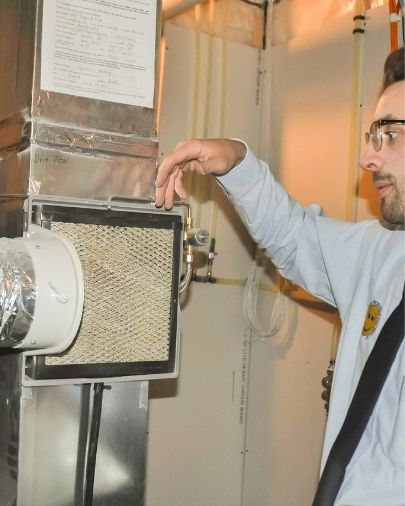
Most whole-home humidifiers are installed directly on the furnace. As heated air moves through the ductwork, water flows over the evaporative pad in the humidifier. The moving air picks up moisture before being distributed throughout the home. The humidistat measures indoor humidity and controls when the humidifier operates.
Why Is Humidity Important When Heating a Home?
During our Edmonton winters, outdoor air has very low moisture. When that cold air is brought inside and heated, the humidity drops even more.
Keeping humidity at the ideal level makes your home feel warmer at the same thermostat setting. This means the moisture in the air is playing a large role to heat your home.
Moisture in the air holds the heat. (The same way that air-conditioning removes moisture from the air to cool it, the humidifier on your furnace adds moisture to the air to hold the warmth.)
Humidity directly affects how warm we feel; many homeowners find they can set the thermostat lower when humidity is high enough. This can save money on your heating bill.
Also, humidity prevents dry skin, dry eyes, and irritated sinuses, and protects hardwood and wood furniture in your home from shrinking or cracking.
Why Is Humidity Especially Important in Edmonton?
Edmonton has one of the driest and coldest winter climates of any major Canadian city. In Edmonton, cold, dry air can settle in for weeks at a time. Cold outdoor air doesn't contain much moisture, which causes homes to lose moisture to the outdoors through ventilation, exhaust fans, and normal air leakage.
Ensure your home humidity is adjusted to compensate for the cold.
Without proper humidity control, you may notice
- Dry skin and lips
- Nosebleeds
- Hardwood floors separating
- Wood furniture shrinking
- Increased dust
Edmonton's long heating season makes humidity control especially important — your furnace humidifier may be running consistently from October through April. (Ok lets be honest…often the furnace can run September to May.) Just because your furnace is running doesn't mean your humidity should stay the same. It needs to be adjusted with the season.
Why Does Humidity Need to Change Throughout the Year?
The ideal indoor humidity changes as outdoor temperatures change. During milder stretches of winter weather, your home can comfortably maintain a higher humidity level.
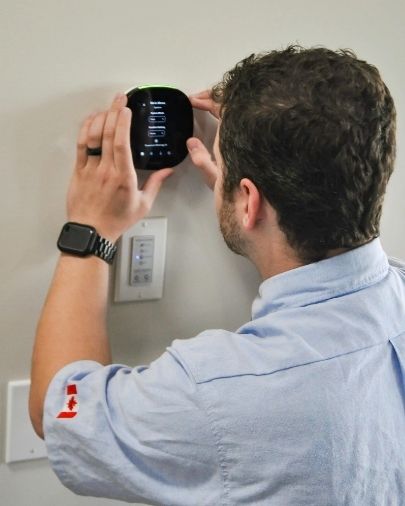
As temperatures drop — and in Edmonton, they can drop significantly and stay low for extended periods — windows and exterior walls become much colder, so the humidistat should be set lower to prevent condensation and moisture damage. Automatic humidistats do this adjustment for you, while manual humidistats require manual adjustment by the homeowner.
Recommended Indoor Humidity Levels for Edmonton Homes
| Season |
Outdoor Temperature |
Recommended Humidity (RH) |
Why It Matters |
| Winter |
0°C to -10°C |
35–40% |
Comfortable warmth without window condensation |
| Winter |
-10°C to -20°C |
30–35% |
Reduces frost and moisture buildup |
| Winter |
Below -20°C |
25–30% |
Prevents window damage and hidden moisture issues |
| Summer |
Any typical summer temp |
40–50% |
Improves comfort, reduces mould, helps A/C efficiency |
Pro Tip
If you notice condensation on windows in winter, your indoor humidity is set too high.
How Do Humidifiers Work in New and Older Homes?
If you have a new home, you can expect better insulation. (This is true of homes built in the last 25 years, and maybe longer.) New homes have better insulation, better windows, and improved sealing for air leakage, so they retain humidity more efficiently.
Because new homes retain moisture more easily, too much humidity is a potential issue which must also be kept in check.
Older homes generally have more air leakage, drafty windows, and less insulation, which means they lose humidity to the outdoors more easily. The humidifier works to keep the humidity level up.
What Are the Signs That the Humidity Is Too High or Too Low?
Humidity Too High
- Condensation on windows
- Frost on windows
- Peeling paint
- Mould or mildew
- Odours or water staining
Humidity Too Low
- Dry skin
- Nosebleeds
- Gaps in hardwood flooring
- Cracking wood furniture
- Increased dust
- Home feels colder
How to Control Humidity in Bathrooms & Kitchens to Prevent Damage
Bathrooms generate more humidity than any other room in your home. A hot shower can rapidly raise the humidity level, and if that moisture is not removed, it may lead to mold/mildew growth, peeling paint, drywall damage, swollen trim, or ceiling damage.
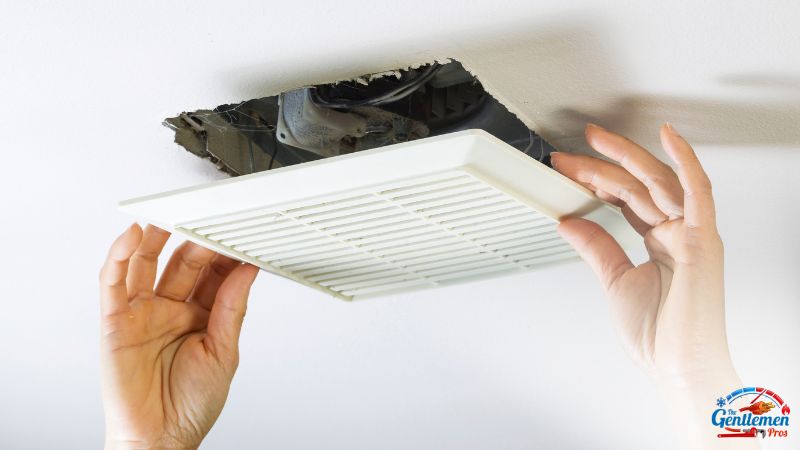
Run your bathroom fan for 30 minutes after every shower. This is an average recommendation. A cold, short shower doesn't require 30 minutes of fan ventilation, but a longer hot shower requires longer than 30 minutes.
We recommend a fan on a timer that will remove humidity for 30 minutes and shut itself off when done to protect your bathroom and save on power.
Pro Tip
Most often, homeowners are tempted not to run the bathroom fan after a shower because of the noise pollution. We recommend upgrading to a quieter fan. This is a small investment that requires a slightly more expensive bathroom fan. This investment will most likely encourage you to run the fan longer and prevent water damage, mould and mildew.
Your kitchen can also create a lot of moisture quickly when cooking. Use a hood fan to prevent too much moisture. Open windows a crack if needed — though in an Edmonton winter, be mindful of how much cold air you're letting in. Too much moisture can cause mould growth, warped cabinets, peeling paint, and condensation on windows. It also encourages pests like dust mites and creates a musty environment that can trigger allergies.
Do House Guests Make Your Home More Humid?
Yes, having extra house guests or a large household can make your house more humid. More showers, more cooking, opening the steamy dishwasher, for example, can all contribute to more moisture in the air.

Manage this by running the bathroom fans for an adequate time. Turn on the kitchen hood fan when cooking. Crack open a window if needed. Adjust the humidity on the furnace.
One easy sign to indicate too much humidity is condensation on the window. Make adjustments until this isn't problematic.